The air has turned crisp. The days are quietly shortening, pulling their long shadows across the floorboards. And somewhere on your screen, the internet is buzzing about the "Winter Arc." You might have seen the posts. The 5:00 AM alarm bells. The relentless hustle metrics. The race to transform your entire life before the calendar flips. If watching that frantic scramble makes your chest tighten just a little bit, you are not alone. If you feel a quiet, heavy exhaustion settling into your bones after months of running on empty, you are not broken. You are simply human. And you are allowed to step off the treadmill.
What if winter wasn't a challenge to conquer? What if it was a sanctuary? In our culture of endless productivity, we treat rest as a reward we must earn. We treat slowing down as a failure of will. Yet nature does not apologize for winter. The trees do not panic when their leaves fall. They pull their energy inward. They anchor deep into the dark earth. They rest so that they can bloom again when the time is right. That is what we call the true Winter Arc here at The Random Coffee Break. It is not a 90-day boot camp. It is a sacred invitation to hibernate. It is a gentle season of tending to your inner roots, protecting your precious energy, and embracing the beauty of softer rhythms.
Recognizing the signs of quiet burnout
Before we can soften into the season, we have to acknowledge how tired we really are. Burnout does not always look like dramatic collapse. Often, it hides in ordinary moments. Feeling a dull ache of fatigue even after a full night of sleep. Scrolling through your phone because you are too depleted to read or create. Resenting the demands of people you love simply because your cup is completely empty. Waiting for the weekend just to survive the week, only to spend the weekend dreading Monday. Carrying a persistent internal fog that makes simple decisions feel insurmountable. If any of these sound familiar, please take a deep breath. Release the judgment you are holding against yourself. You are not falling behind. You have simply been carrying too much for too long. This season offers a different path. A path rooted in slow living and intentional habits.
The three pillars of your gentle winter
To help navigate this season without overwhelm, we return to our three quiet pillars. These are not rigid rules. They are guiding lanterns for your intentional living journey.
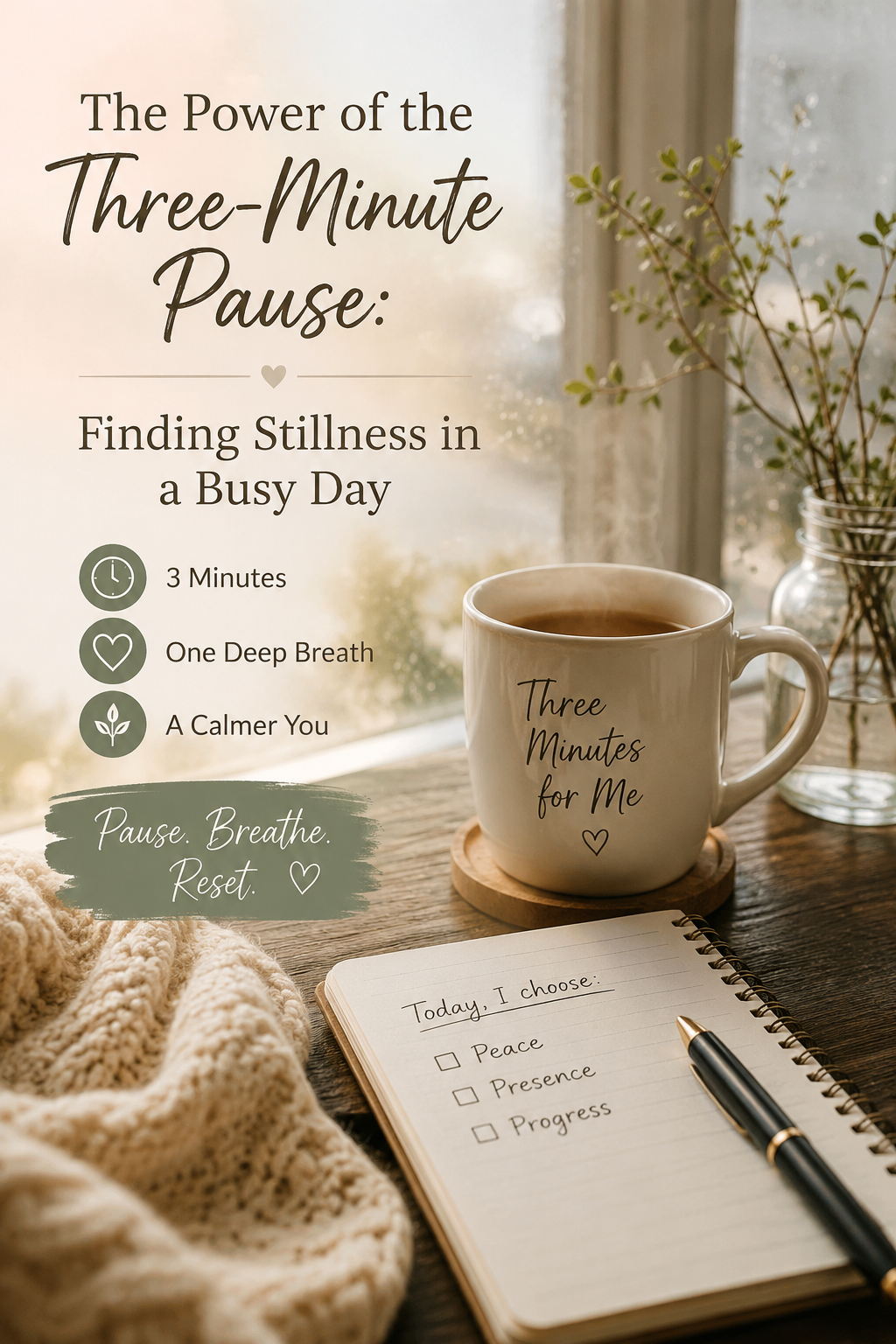
1. Stillness Stillness is the art of stopping. Not because everything on your to-do list is finished. Because you matter more than your productivity. In the dead of winter, stillness looks like five quiet minutes with your morning coffee before checking your notifications. It looks like sitting in a comfortable chair and listening to the rain against the window. It is the radical act of letting the world wait for five minutes.
2. Reflection Reflection is how we meet ourselves with a soft heart instead of a harsh report card. As the year winds down, you do not need to audit your failures. You only need to notice what nourished you and what drained you. Where did you feel most like yourself this year? What relationships or habits felt heavy and unsupportive? What small joy are you keeping close to your heart as the temperature drops? Journaling through these questions doesn't require grand epiphanies. Just a pen, a warm page, and permission to be honest with yourself.
3. Rebuilding Rebuilding in winter is quiet work. It happens underground. It is about building sustainable mindful habits that protect your peace. It means replacing late-night doomscrolling with a soothing evening routine. It means nourishing your body with warm, simple meals and prioritizing deep, restorative sleep. Small, tender steps. Nothing more.
Your daily companion for the dark months
Walking this path feels easier when you have a gentle companion by your side. Throughout these winter months, we invite you to anchor your days with our book, Sips of Stillness. Designed specifically for moments when the world feels too loud, Sips of Stillness offers daily reflections, breathing prompts, and quiet invitations to pause. Keep it on your nightstand. Let it meet you where you are: whether you are sipping morning tea or winding down beneath a heavy wool blanket.
Something warm to hold: Introducing "Slow Saturday Sips" Winter also calls for sensory comfort. The warmth of ceramic between your palms. The earthy aroma of spices drifting through the kitchen. Starting next month, we are partnering with our friends at Good Bear to bring you Slow Saturday Sips: a bi-weekly series of cozy recipes designed for deep rest. Think spiced non-alcoholic elixirs infused with adaptogens. Rich ciders simmering with orange peel and cinnamon. Functional herbal teas that quiet an overstimulated nervous system and prepare you for deep, restorative sleep. Each recipe will be paired with a gentle reflection, giving you the perfect ritual for a slow Saturday morning at home. Because self care is not just a mental concept. It is something you can taste, smell, and feel.
An invitation for the days ahead
As November approaches and the nights grow long, remember that you do not need to fix everything at once. You do not need to prove your worth through exhaustion. You are allowed to turn inward. You are allowed to protect your energy. You are allowed to move at the speed of your own soul. What is one small boundary you can set this week to protect your quiet moments? How might your days feel if you decided that rest is your most important task?
Take what you need. Until the next quiet cup.