The Quiet Power of Journaling for Healing
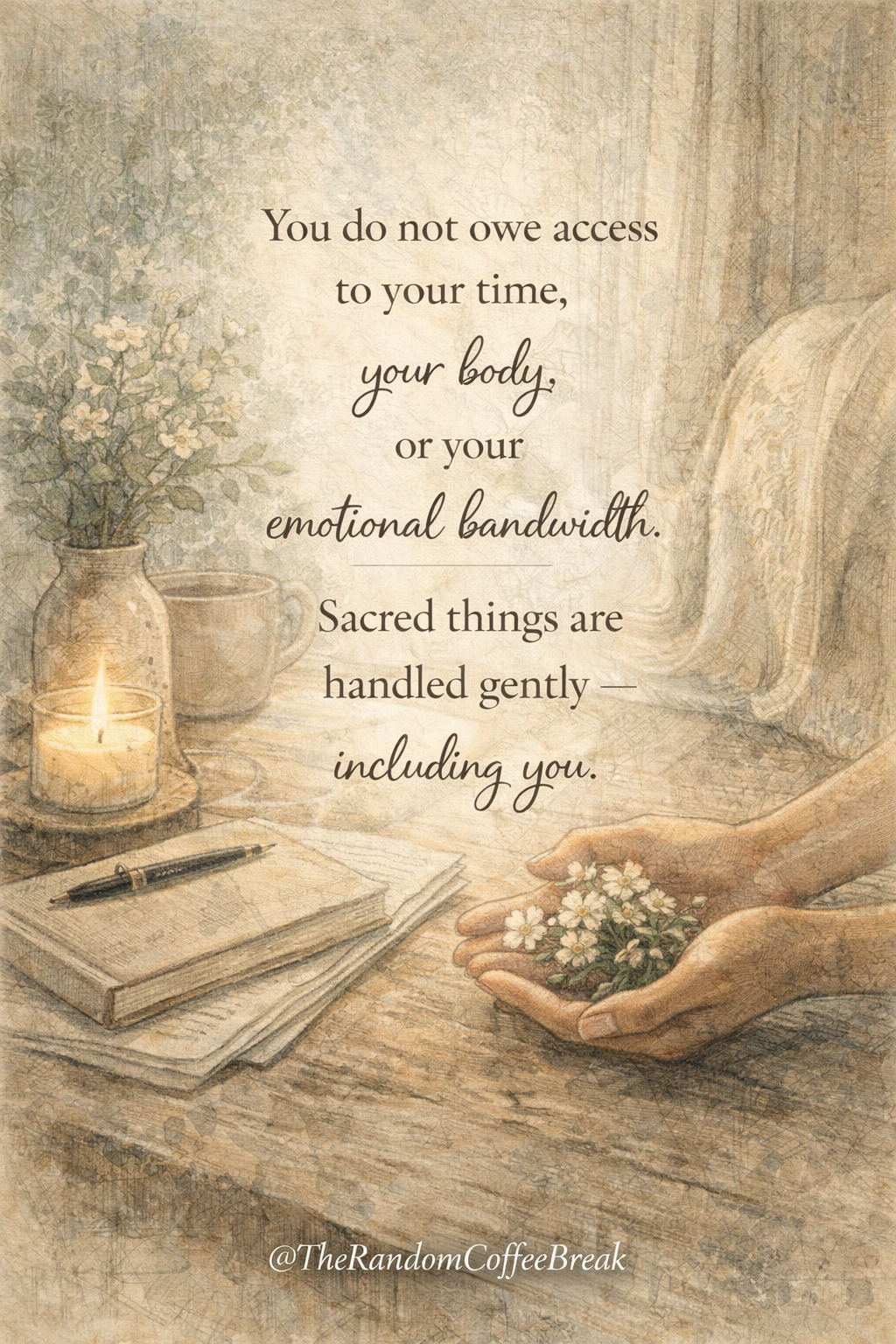
There is a kind of healing that does not require an audience. It does not need applause. It does not need explanation. It does not even need to make sense at first. It only needs a page. Journaling is not about becoming a better writer. It is about becoming a more honest witness to your own life.
That is where healing begins.
The Page as a Safe Place
So many of us learned to be strong before we learned to be safe. We learned to: • Hold our reactions. • Shrink our needs. • Explain away our feelings. • Stay composed when we were overwhelmed. But the body will remember what the mouth never said. Journaling creates a private room where nothing must be filtered. No one interrupts. No one corrects your tone. No one tells you you’re “too much.” The page holds it all. And when something is finally held, it can begin to soften.
Why Writing Helps the Nervous System
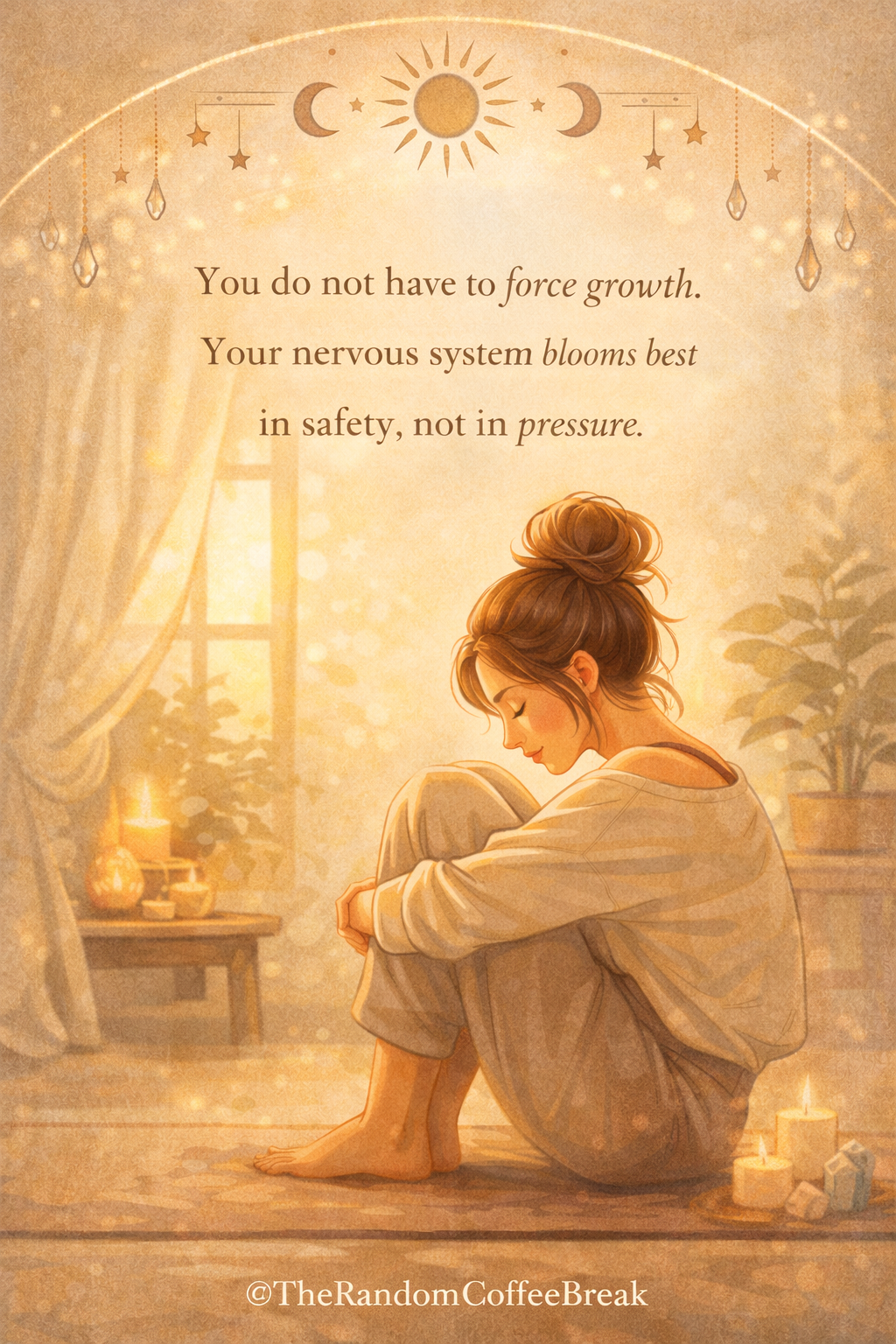
Healing is not only mental — it is somatic. When emotions stay unspoken, they stay activated. They circle in the mind. They tighten in the chest. They sit heavy in the muscles of shoulders. Writing slows that loop. When you move a feeling from inside your body onto paper, you give it shape. And when it has shape, it has edges. And when it has edges, it feels less overwhelming.
Journaling helps your nervous system understand: “I am not trapped inside this feeling. I can observe it.” Observation creates space. Space creates safety. Safety allows healing.
You Don’t Have to Journal Perfectly
Healing journaling is not aesthetic. It is not always neat. Real healing can be very messy. Sometimes it looks like: • One sentence repeated three times. • A page of anger. • A messy list of “I don’t know.” • Tears falling on ink.
Sometimes healing looks like writing: “I am tired of being strong.” “I feel scared and I don’t know why.” “I don’t want to carry this anymore.” You are not writing to perform. You are writing to release.
Three Gentle Ways to Journal for Healing
- Name What You Feel Instead of analyzing, simply identify. “I feel anxious.” “My chest feels tight.” “I feel unseen.”
Naming reduces intensity. It tells the brain, “This is a feeling, not a threat.” It does not necessarily need a reaction.
- Write Without Editing
Set a timer for five minutes. Do not stop. Do not correct grammar. Do not judge the tone. Let the truth be raw. Healing often begins before refinement.
- Ask Your Body
Instead of asking, “What’s wrong with me?” Try asking, “What do you need right now?” The answer might surprise you. Rest. Boundaries. Reassurance. Grief. Quiet. The body is not your enemy. It is your messenger.
When Healing Feels Slow
There will be days when journaling feels repetitive. When you feel like you’re circling the same story. That is not failure. That is integration. Healing is not a straight line — it is a spiral. You revisit things from deeper levels. Each time you write, you are not reopening a wound. You are cleaning it gently. And that takes time.
A Final Permission
You do not have to solve your life on paper. You do not have to understand every trigger. You do not have to become “healed” in a single entry. You only have to be willing to stay. Stay with the sentence. Stay with the feeling. Stay with yourself. Journaling is not about becoming someone new. It is about returning to who you were before you learned to silence yourself.
Take what you need. Until the next quiet cup.
--Bridget
Disclaimer: The content provided by The Random Coffee Break is for informational and educational purposes only and is not medical or mental health advice. It is not a substitute for professional care. Please consult a qualified healthcare or mental health provider regarding your specific situation.