There is a particular kind of quiet that arrives with cooler weather. The mornings feel softer. The evenings begin a little sooner. Light rests differently across the floor, and the familiar rooms of your home seem to ask a gentle question:
How would it feel to slow down here?
As October unfolds in the South, the season may not look like a postcard of deep snow and bare trees. Some days will still be warm. Some evenings may still call for open windows and porch time. But there is a shift beginning. The air cools at the edges. The light changes. Your body may begin reaching for warmer textures, slower dinners, and a little more time indoors. This is an invitation to let your home become a place to land. Not a perfectly styled space. Not another project to complete. Just a little more warmth where you already live.
Coziness does not have to become another task
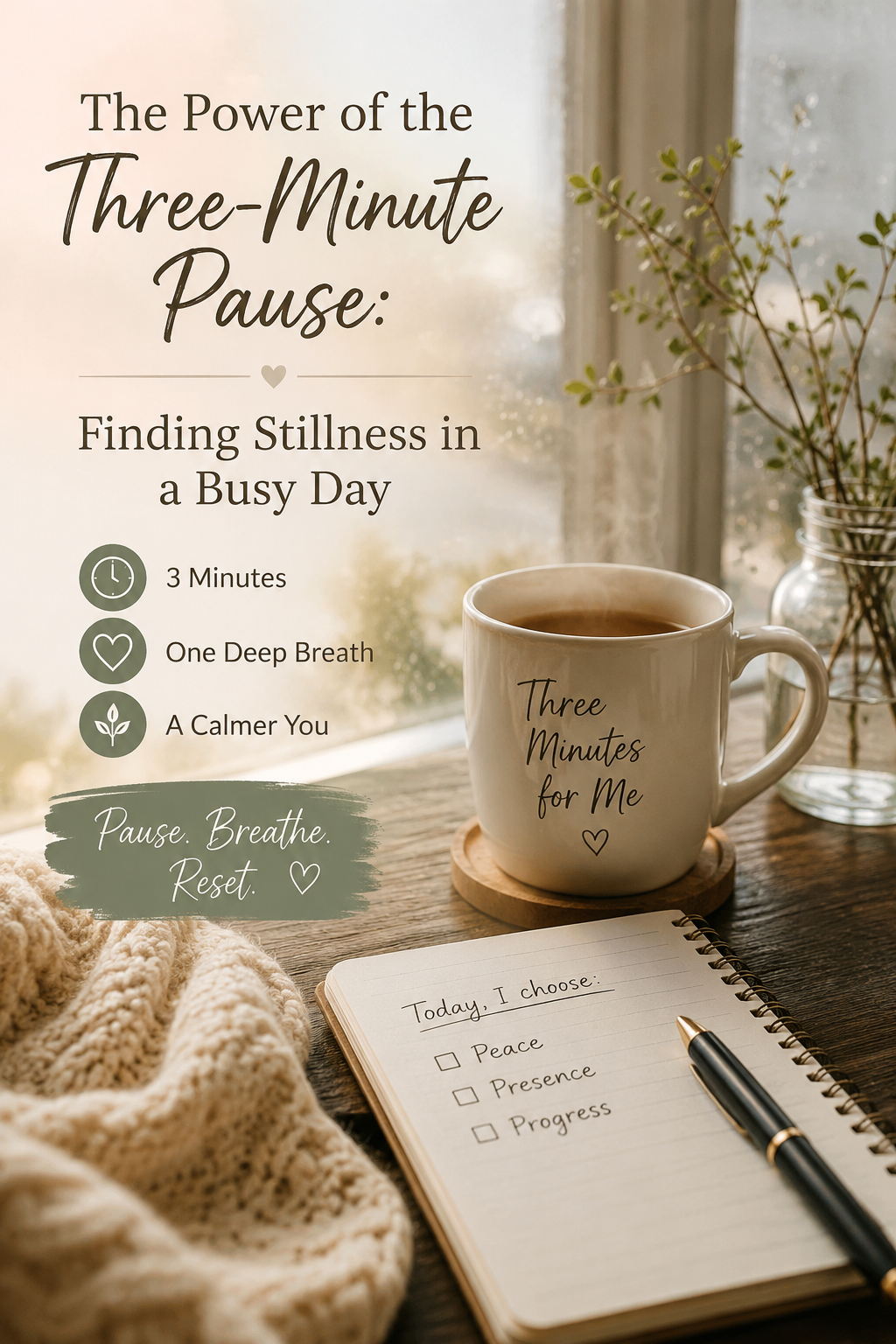
It is easy for comfort to become something you feel you need to achieve. A full seasonal reset. A new collection of blankets. A completely reorganized kitchen. A house that looks ready for a magazine spread. But your home does not need to perform coziness for you. It only needs to offer a few gentle signals that you are allowed to rest. Maybe that means placing a soft throw over the chair where you usually sit. Maybe it means moving a lamp closer to the corner where you read. Maybe it means leaving your favorite mug on the counter instead of tucked away in a cabinet. Small comforts count. They often matter more when they are easy enough to repeat.
Begin with one warm layer
When the weather cools, notice what your body naturally reaches for. A cardigan. A pair of thick socks. A quilt at the end of the bed. A robe waiting behind the bathroom door. These are not extravagant changes. They are small acts of listening. You might place a basket near the sofa with a blanket, a book, and anything else that helps you settle. You might add a heavier coverlet to your bed or fold a quilt over the back of a reading chair. You might bring out a cushion that makes the kitchen table more comfortable for lingering. The goal is not to fill every room. The goal is to make the places you already inhabit feel a little more welcoming.
Ask yourself:
- Where do I naturally pause at home?
- What would make that place easier to return to?
- Which textures help my body soften?
- What comfort do I keep waiting for permission to enjoy?
Let the answer be simple. A blanket can be enough.
Let the light change with the day
Lighting can help your home move gently from one rhythm to another. During the day, open the curtains and let in as much natural light as you can. Sit near a window when possible. Notice the changing sky, even if only for a moment between tasks. As evening gathers, consider turning off the overhead lights. A small lamp. A candle. A warm pool of light beside the sofa. These softer sources can make the transition from work or study into rest feel less abrupt. You do not have to create a perfectly curated atmosphere. You only have to mark the change. Perhaps the lamp comes on when dinner is finished. Perhaps a candle is lit while you wash the last dish. Perhaps the kitchen becomes dim and quiet while you make tea. The ritual is not in the object itself. It is in the pause that surrounds it.
Make one small comfort easier to reach
A restorative home often begins with less friction. If making tea requires searching through several cabinets, you may be less likely to make it. If your journal is buried beneath a stack of papers, the quiet thought may pass before you can write it down. If your slippers are on the other side of the house, you may continue moving through the evening without settling. Consider creating one small comfort station.
It could be a tray on the kitchen counter with:
- Your favorite mug
- Tea, coffee, or cocoa
- A small spoon
- A candle or matchbox
- A journal and pen
It could be a basket beside your bed. It could be a corner of the coffee table that stays clear. This is not about building a perfect morning or evening routine. It is about making one gentle choice more available. A warm drink within reach. A few blank pages waiting. A softer way to end the day.
Try an evening landing ritual
When the day has been loud, home may not immediately feel restful. Your body can arrive before your mind does. You may sit down but still feel as though you are answering messages, solving problems, and moving toward the next obligation. A small evening ritual can help you cross that threshold. Not as a rigid checklist. As a familiar path. You might begin by changing into comfortable clothes. Then dimming the lights. Then preparing something warm to drink. Then sitting in the same place for a few unhurried minutes. You might read a few pages, stretch your shoulders, write down what is still circling in your mind, or simply listen to the sounds of your home. There is no correct version. A landing ritual could be five minutes. It could happen while the pasta water warms. It could begin after you put your phone on its charger.
You might quietly ask: What would help me feel more here?
Not more productive. Not more prepared. More here.
Leave room for low-effort comfort
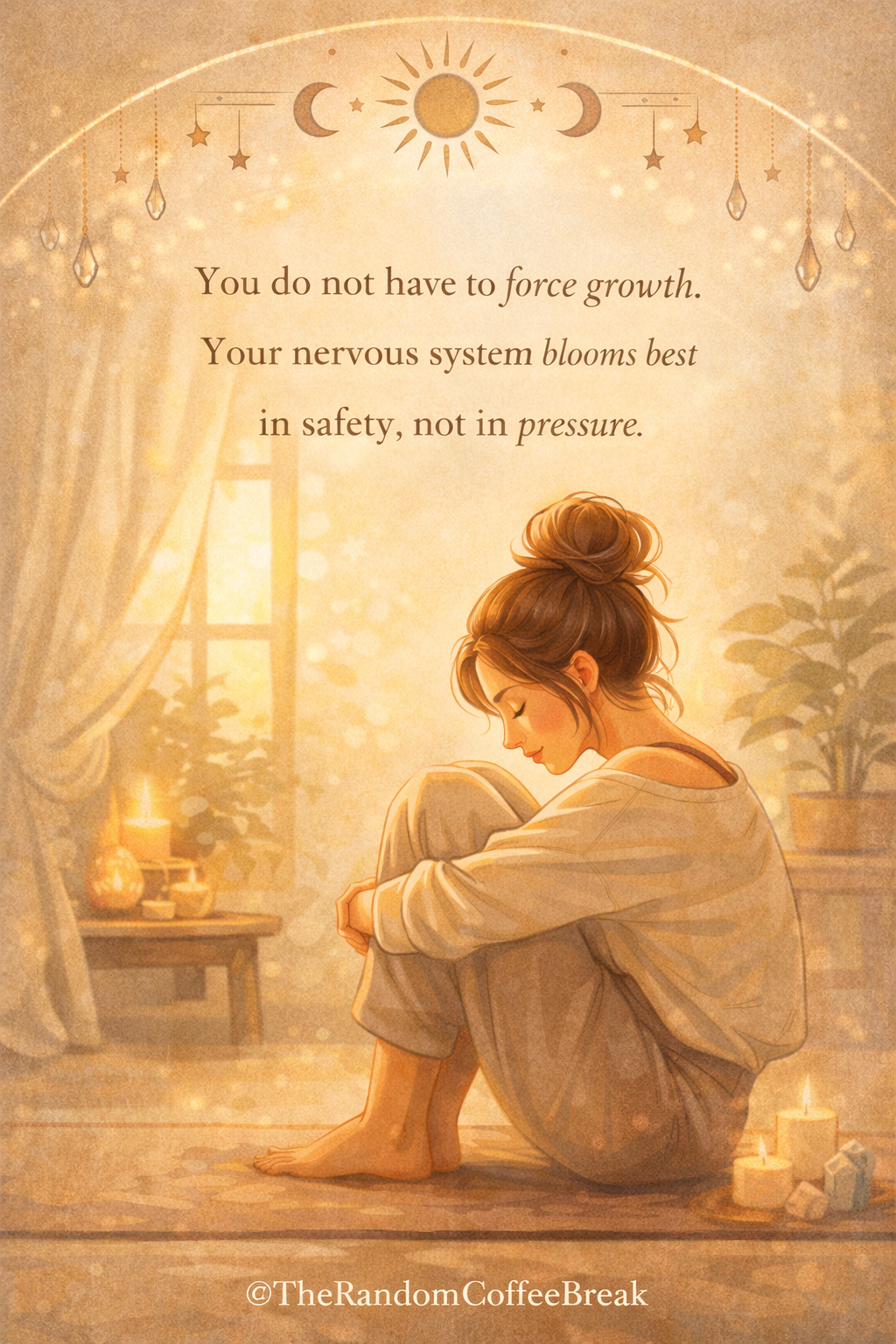
Rest does not always need to be meaningful. You do not need to use every quiet evening for reflection, improvement, or personal growth. Sometimes comfort is watching a familiar show. Sometimes it is eating toast over the sink. Sometimes it is listening to music while folding laundry. Sometimes it is doing absolutely nothing for a while and letting the room hold you. The cooler months can offer a little more permission to enjoy ordinary pleasures. A pot of soup. A warm shower. A slow breakfast. A book you have already read. A phone call with someone who makes you feel understood. You are not doing rest incorrectly because it looks simple. You are not falling behind because your evening was quiet.
Keep the home gently alive A cozy home should not become a sealed-off home. Even as the evenings grow cooler, small connections with the outside world can help you feel grounded. Open a window for a few minutes when the weather allows. Step onto the porch with your coffee. Take a short walk before dinner. Notice the first cooler air against your face. Then come back inside. There is something comforting about returning to warmth after feeling the season directly. It helps home feel like shelter without making it feel like confinement. You might also bring small natural elements indoors. A few branches. A bowl of pinecones. Seasonal fruit on the counter. A handful of dried flowers. Nothing elaborate. Just reminders that the world is changing beyond the walls.
Create a weekly rhythm instead of a perfect routine
One small weekly ritual can give the season a quiet shape. Maybe Friday evening becomes soup night. Maybe Saturday morning is for coffee near the window. Maybe Sunday afternoon is for changing the sheets, lighting a candle, and preparing for the week without rushing. Maybe one evening is reserved for a bath, a book, or a meal shared slowly. A rhythm does not need to happen perfectly to support you. If you miss a week, you have not failed. You can return whenever you are ready. This is the kind of sustainable habit-building we return to often at The Random Coffee Break: practices that meet you where you are and unfold gradually, rather than asking you to become someone new overnight.
Let your home prepare you for hibernation season
The coming months may ask for a different pace. More inwardness. More warmth. More intentional pauses between one thing and the next. Preparing your home does not mean withdrawing from life. It means creating a place where you can hear yourself when the outside world becomes noisy. A place where your shoulders can lower. A place where a warm cup can interrupt the rush. A place where you can remember that taking a break is not laziness. It is care. As we move toward the quieter energy of the Winter Arc, you might begin with one corner. One lamp. One blanket. One evening drink. One small ritual that tells your body: You can stop here.
And as October moves toward the TRCB × Good Bear Slow Saturday Sips gathering on October 31, let that invitation remain simple. Make something warm. Set out something lovely. Dim the lights. Share the evening, if you want to. Or enjoy the quiet by yourself. The most restorative homes are not always the most beautiful ones. They are the ones that make room for you to arrive as you are. If you would like to support your own slower rhythm with something thoughtful for your space or daily practice, you can visit The Random Coffee Break shop. Choose only what feels useful. Leave the rest. For now, perhaps you can look around your home and notice: Where does comfort already live here? What would help it feel a little closer? What might you soften before the season asks you to slow down?
With warmth for the changing season, The Random Coffee Break